

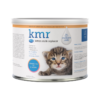

PetAg KMR Kitten Milk Replacer – 6oz
Product Overview
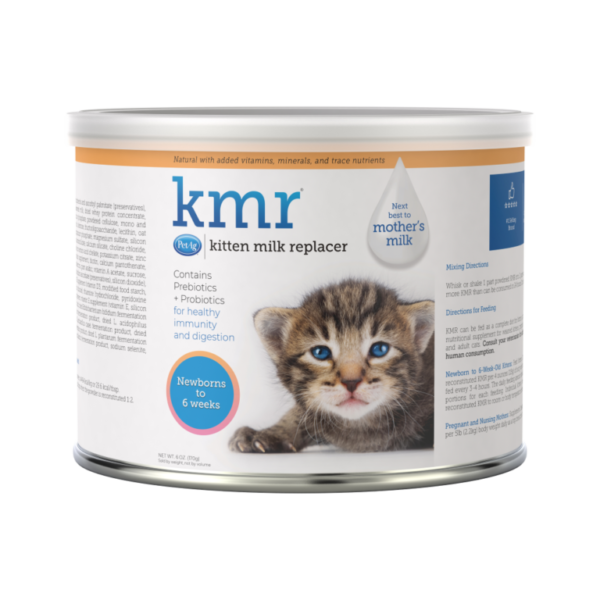
PetAg KMR Kitten Milk Replacer is a specially formulated powdered milk replacement designed to provide nutritional support for newborn and growing kittens. It serves as a convenient feeding option for orphaned kittens, kittens rejected by their mothers, and kittens that need additional milk supplementation. Enriched with vitamins, minerals, and trace nutrients, this formula helps support healthy growth and overall well-being during the early stages of life.
Moreover, PetAg KMR contains prebiotics and probiotics that help support digestive health and maintain a healthy gut. Its carefully formulated nutritional profile makes it a useful option when kittens cannot receive sufficient maternal milk. Therefore, it can help kitten caregivers provide appropriate nutritional support during this important developmental stage.
Supports Healthy Growth and Development
Newborn kittens need appropriate nutrition to grow and develop. PetAg KMR Kitten Milk Replacer provides supplemental or replacement nutrition when maternal milk is unavailable or insufficient. In addition, its added vitamins and minerals help support the nutritional needs of young kittens.
Contains Prebiotics and Probiotics
This formula contains prebiotics and probiotics to support digestive health. These ingredients help maintain a healthy balance of beneficial gut bacteria. As a result, the formula supports digestive function when caregivers prepare and feed it according to the manufacturer’s instructions.
Enriched with Vitamins and Minerals
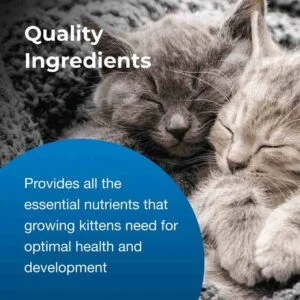
PetAg KMR contains added vitamins, minerals, and trace nutrients. These nutrients help support normal development and overall health. Furthermore, they complement the nutritional support provided by the milk replacer during a kitten’s early life.
Suitable for Newborn Kittens
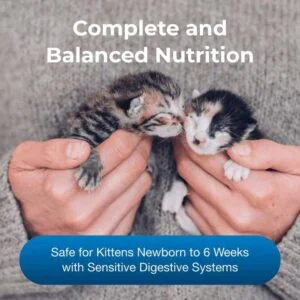
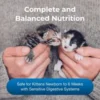
The product packaging identifies this formula for kittens from birth through six weeks of age. It can be useful for orphaned kittens, kittens that cannot nurse adequately, and kittens requiring supplemental feeding. However, newborn kittens need careful monitoring, so consult a veterinarian to determine the appropriate feeding quantity and schedule.
Convenient Powdered Formula
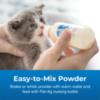
The powdered format makes preparation and portioning convenient for kitten caregivers. Simply follow the manufacturer’s directions to mix the powder with water in the correct proportion. Additionally, use clean feeding equipment and maintain proper hygiene during preparation.
Supports Digestive Health and Immunity
Young kittens need proper nutrition and attentive care as their bodies develop. PetAg KMR contains prebiotics, probiotics, vitamins, and minerals to support digestive health and general nutritional needs. Together with appropriate feeding practices and veterinary care, these nutrients help caregivers support a kitten’s healthy development.
Feeding Guidelines
- Follow the preparation and mixing directions printed on the product packaging.
- Measure the powder and water carefully to prepare the formula correctly.
- Feed kittens according to their age, body weight, and individual needs.
- Use clean feeding bottles and other feeding equipment.
- Prepare and store the formula according to the manufacturer’s instructions.
- Avoid force-feeding a cold, weak, or unresponsive kitten.
- Monitor the kitten’s weight, appetite, and digestion regularly.
- Consult a veterinarian if the kitten develops diarrhoea, vomiting, feeding difficulties, or poor weight gain.
Always provide appropriate warmth, hygiene, and veterinary care alongside feeding. A veterinarian can also guide the transition to solid kitten food when the kitten reaches the appropriate weaning stage.
Why Choose PetAg KMR Kitten Milk Replacer?
- Firstly, it provides a convenient powdered milk replacement for young kittens.
- Secondly, it contains prebiotics and probiotics to support digestive health.
- Moreover, added vitamins, minerals, and trace nutrients help support normal development.
- In addition, its easy-to-prepare format makes feeding more convenient for kitten caregivers.
- Finally, its newborn-to-six-week age guidance helps caregivers identify a formula intended for the early stages of kitten development.
FAQs
- What is PetAg KMR Kitten Milk Replacer?
PetAg KMR is a powdered milk replacement formulated to provide nutritional support for newborn and young kittens that need supplemental or replacement feeding.
- Which age group can use this product?
The packaging indicates that the product is intended for kittens from birth through six weeks of age.
- Can I feed this formula to orphaned kittens?
Yes, it can serve as a milk replacement for orphaned kittens. Consult a veterinarian for the correct feeding schedule and quantity.
- Does PetAg KMR contain prebiotics and probiotics?
Yes, the product label lists both prebiotics and probiotics to support digestive health.
- Does it contain vitamins and minerals?
Yes, the packaging states that the formula contains added vitamins, minerals, and trace nutrients.
- Can I use this formula alongside the mother’s milk?
It may be appropriate for supplemental feeding when a kitten does not receive enough maternal milk. Ask your veterinarian whether supplementation is necessary.
- How do I prepare PetAg KMR?
Follow the mixing ratio and preparation instructions on the product packaging. Correct preparation helps provide the intended nutritional balance.
- Can adult cats use this product as their regular food?
No. This formula targets the nutritional needs of young kittens and should not replace a complete, balanced adult cat food.
- How should I store the milk replacer?
Keep the powder sealed and follow the storage instructions on the label. Store prepared formula as directed and discard leftovers according to the manufacturer’s guidance.
- Can I feed it to a sick or weak kitten?
A sick, cold, or weak kitten needs prompt veterinary assessment. Do not force-feed the kitten without professional guidance.
- Does this product replace veterinary care?
No. It provides nutritional support but does not replace veterinary examinations, appropriate warmth, hygiene, or other essential kitten care.
- When should a kitten start eating solid food?
Kittens generally begin transitioning to solid kitten food at around four weeks of age, although the timing varies. Ask your veterinarian how to introduce food gradually while maintaining appropriate milk feeding.
Explore More for Your Kitten
Additionally, explore our Cat Dry Food Collection for age-appropriate daily nutrition. You can also browse our Cat Wet Food Collection for suitable meals as your kitten grows. Moreover, check out our Kitten Care and Feeding Accessories to find useful products for everyday kitten care. With suitable nutrition, careful feeding, and regular veterinary guidance, you can help your kitten get a healthy start in life.


Reviews
There are no reviews yet.